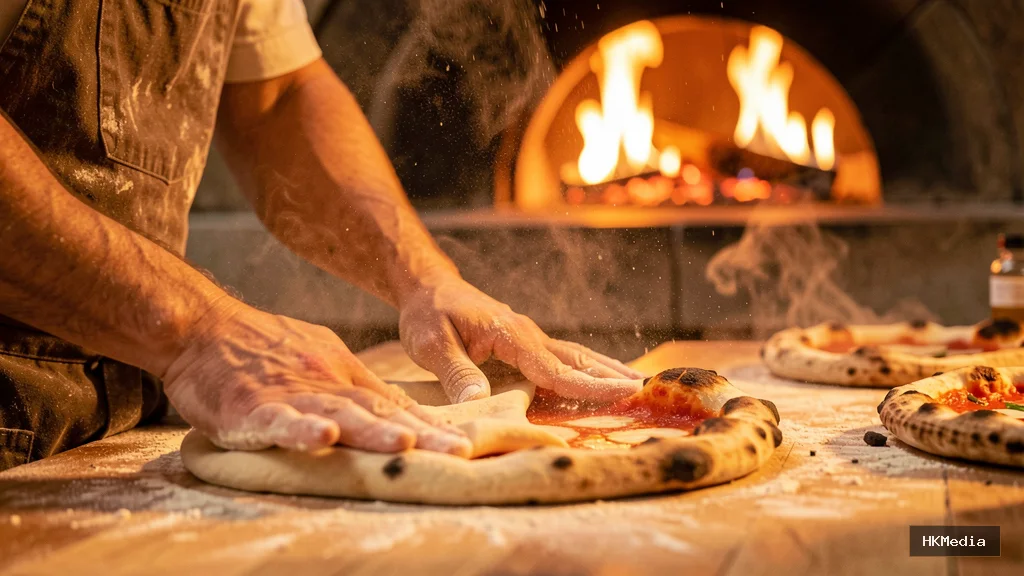
Pizza: The Secret Art of Love in Dough and Fire
The Timeless Dance of Flour, Water, and Passion
In every bustling pizzeria around the world, from Naples to New York, from Chicago to Tokyo, there's a silent ritual that transcends language, culture, and geography. It begins with flour, water, salt, and time—simple ingredients transformed by human hands into something magical.
Pizza is more than food; it's an expression of love, patience, and artistry. Each stretch of dough, each toss in the air, each placement under the fiery oven tells a story of dedication passed down through generations. The secret isn't just in the recipe—it's in the heart behind the preparation.
The true secret of pizza lies not in the ingredients, but in the intention with which they are combined—a labor of love that transforms simple sustenance into cultural heritage.
The Alchemy of Simple Ingredients
The genius of pizza begins with its simplicity. Four fundamental elements—flour, water, yeast, and salt—are transformed through time and temperature into something extraordinary. Yet each ingredient carries hidden nuances that elevate the craft from cooking to artistry.
The Foundation: Flour and Water
The ratio between flour and water determines the dough's character. A high-hydration dough (above 65%) creates an elastic, airy crust that stretches effortlessly while maintaining structural integrity. Lower hydration yields a denser, heartier texture. The Italian tradition prefers medium hydration around 60%, balancing workability with optimal fermentation.
But it's not just about ratios—it's about understanding gluten development. Proper kneading aligns the protein strands without destroying their structure, creating the signature stretch that allows pizza makers to toss dough into thin, delicate circles.
"Great pizza making is about patience and listening—the dough tells you what it needs at every stage of its transformation."
— Hesham Kholef
The Soul: Yeast and Time
This is where the real magic unfolds. Commercial yeast offers convenience but lacks character. Traditional pizzaioli prefer fresh brewer's yeast or sourdough starters aged for weeks, months, even years. The slower fermentation—not just chemical but cultural—develops complex flavors that instant rise simply cannot replicate.
A dough left to ferment for 48 hours develops acidity and depth of flavor absent in a quick-rise alternative. This extended process allows beneficial bacteria and wild yeasts to colonize the dough, creating subtle notes that vary with seasonal ingredients and local water composition.

Photo by Pexels - The patient hands of tradition
The Theater of Preparation
What separates exceptional pizza from good pizza is not just what goes into it, but how each step is performed. Every motion should feel deliberate yet fluid, like a dance between chef and ingredient.
The Art of Stretching
Using only fingertips to avoid tearing the gluten structure, the pizzaiolo gently stretches the dough outward from the center. Weight distribution matters—pressing too hard on one side causes uneven thickness. The goal: uniform thinness at edges while maintaining a generous, pillowy interior.
In Naples, this technique creates the characteristic "cornicione"—the puffy, charred rim that signals proper oven temperature and handling. In New York, the same principles yield a different result due to variations in dough formulation and oven characteristics.

Photo by Pexels - The graceful toss
The Science of Tossing
Tossing appears spontaneous but requires precise mechanics. The pizza maker rotates their wrist and uses centrifugal force to expand the dough against gravity, creating an even thickness through tension alone. The timing is critical—too early and the dough resists; too late and it tears.
This theatrical moment has evolved from necessity (preventing sticking when working with bare hands) into pure artistry—a display of skill that attracts crowds worldwide. In Rome, master pizzaioli can toss dough into perfect discs with a single motion, while in Sicily, some prefer hand-pressed methods for thicker crusts.

Photo by Pexels - The fiery embrace
The Fire That Transforms
No amount of skill can replicate the proper oven. Wood-fired ovens reaching temperatures between 800°F and 900°F (425°C–480°C) cook pizza in 60-90 seconds, creating the signature leopard-spotted char that defines authentic Neapolitan style.
Oven Temperature and Cooking Time
High heat accomplishes two crucial things simultaneously: it sets the dough structure before it collapses while creating the Maillard reaction that develops complex flavors on the surface. This rapid cooking prevents excessive water evaporation from the interior, maintaining that perfect chewy texture.
In contrast, home ovens reaching only 500°F (260°C) may require 10-15 minutes to achieve similar results, during which moisture evaporates more gradually. The difference in final product—crisp versus soft—stems directly from temperature and time relationships.
The Role of Ash
In traditional wood-fired ovens, ash buildup creates insulation while adding subtle mineral notes to the crust. This charred layer absorbs heat efficiently, contributing to even cooking across the pizza surface. Some pizzaioli actually seek this accumulation as a sign of proper maintenance and operational history.

Photo by Pexels - The perfect char
The Modern Debate: Tradition Versus Innovation
As pizza has conquered the global palate, tension emerges between preserving tradition and embracing innovation. Purists argue that altering ingredients or techniques undermines authentic preparation, while innovators believe pizza's true spirit lies in its adaptability.
Sauce Controversy
In Naples, sauce applied after cooking prevents sogginess—a technique requiring skillful timing with fresh mozzarella. In America, pre-cooked sauces are common, creating a different texture profile. Some argue this represents cultural appropriation; others see it as natural evolution responding to local preferences.

Photo by Pexels - Regional variations
The Cheese Question
Mozzarella di Bufala remains sacred in Naples, while American chains popularized low-moisture mozzarella for shelf stability. Both have their merits: the former offers superior flavor and texture, the latter consistent results across locations. The debate extends to vegan alternatives, which some reject as fundamentally different from traditional cheese-making processes.
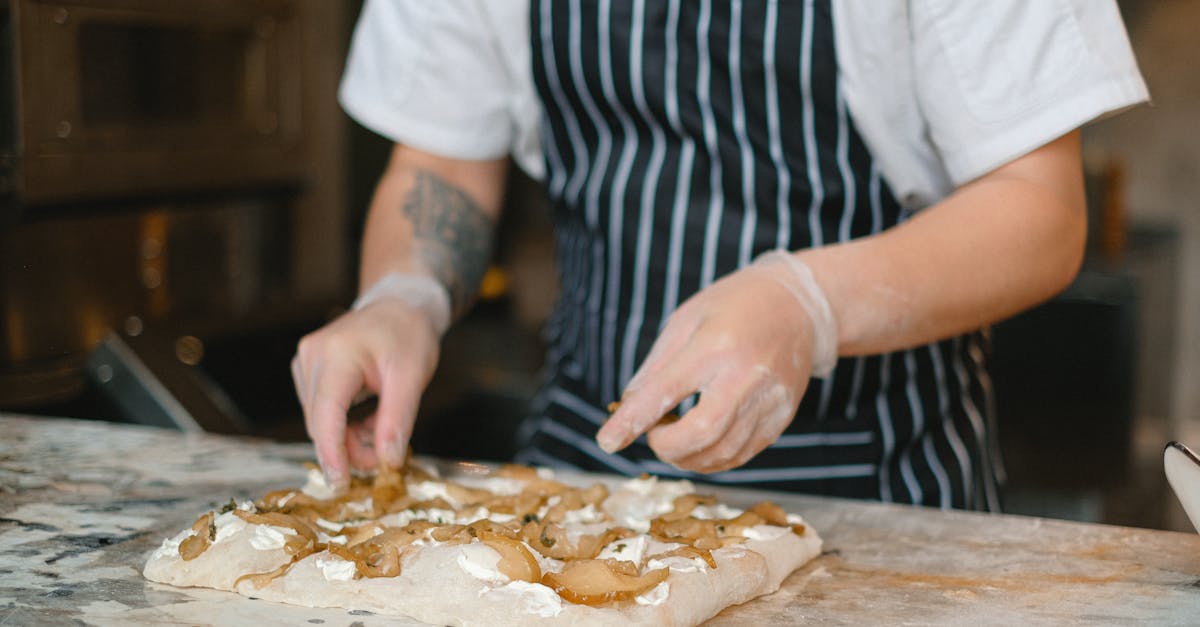
Photo by Pexels - The art of topping
Cultural Significance Beyond Culinary Art
Pizza has transcended mere sustenance to become a social institution. In Italy, it appears in religious ceremonies, community celebrations, and family gatherings across generations. Each region developed its own signature style—Neapolitan's thin, soft centers with charred edges; Roman's thicker, crispier crust; Sicilian's rectangular, hearty slices—reflecting local ingredients and traditions.
The Social Aspect
Italian pizzerias traditionally operate as community hubs where workers, families, and strangers gather together. The act of sharing pizza on a long table fosters connection across social divides—a phenomenon observed worldwide from Chicago to Tokyo.

Photo by Pexels - Shared experience
The Evolution Through Time
From ancient Rome's flatbreads stuffed with cheese and honey, through the Arab introduction of tomatoes in the 18th century, to modern innovations including wood-fired ovens and artisanal toppings—pizza has evolved continuously while maintaining core identity. This balance between change and preservation exemplifies cultural resilience.
Photo by Pexels - Through the ages
The Future of Pizza: Technology Meets Tradition
Modern technology offers unprecedented control over dough fermentation, temperature precision, and ingredient sourcing. Automated systems can maintain consistent quality across multiple locations, while artisanal approaches preserve regional character through hands-on preparation.
Sustainable Practices
Innovation extends to environmental consciousness. Local ingredient sourcing reduces transportation emissions; compostable packaging replaces traditional plastic containers; solar-powered ovens harness renewable energy for heating. These adaptations honor tradition while addressing contemporary challenges.

Photo by Pexels - Modern artisanal techniques
The Democratization of Excellence
Social media has democratized knowledge, allowing home cooks worldwide to learn from masters in Naples through video demonstrations. While some argue this dilutes tradition, others celebrate the global spread of appreciation for authentic techniques that previously remained regional secrets.

Photo by Pexels - Global appreciation
The Enduring Legacy
In an increasingly digital, fast-paced world, pizza represents something ancient yet perpetually fresh—a culinary art form that connects us through shared experience, cultural memory, and the universal desire to create something beautiful from humble beginnings.
Every stretch of dough, every toss in mid-air, every placement under fiery heat carries forward centuries of human ingenuity and passion. The secret isn't merely in ingredients or technique—it's in the love poured into each creation, the time invested, and the joy felt when watching a simple transformation unfold before our eyes.
Whether enjoyed in a bustling Naples pizzeria at 2 AM, a family kitchen during Sunday lunch, or an urban rooftop restaurant under city lights, pizza remains an enduring testament to what we can achieve when creativity meets tradition, when science serves art, and when food becomes love made edible.
Comments (0)