Abstract Visualization Concept:
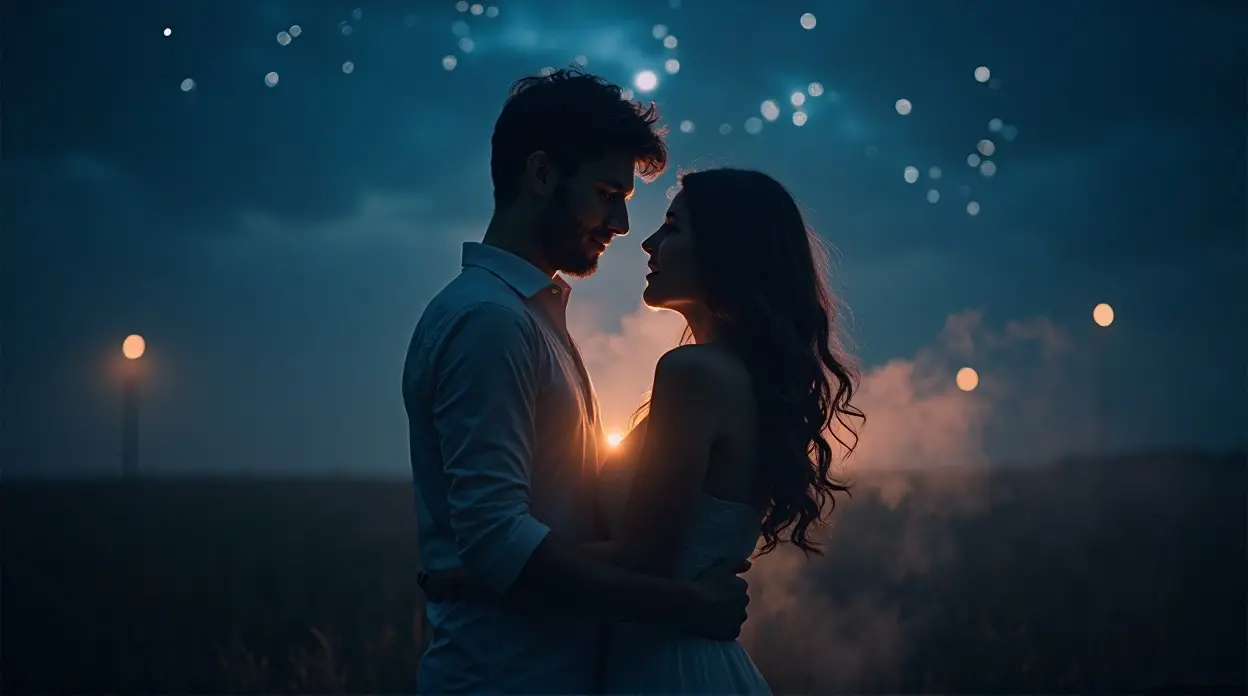
A layered, abstract composition blending warm tones (love, warmth, connection) with cool tones (distance, conflict, introspection). Two loosely defined figures—perhaps only suggested by intersecting energy fields—rotate around each other in tension and harmony, symbolizing the dynamic emotional dialogue between genders.
I. Introduction: The Architecture of Feeling
Human emotion is not a simple, universal language. It is a system shaped by biology, cultural expectations, socialization, personal history, and even the historical era one lives in. This article examines a widespread assumption: that women feel love and hate more intensely than men. The evidence suggests something more nuanced. Men and women may not differ in emotional capacity, but they often differ in expression, timing, and internal processing.
The central question becomes:
How do gender-based patterns emerge in love and hate, and why do they manifest so differently?
II. The Emotional Rollercoaster: Mapping Gender Patterns
1. Shared Foundations
All people experience the full emotional spectrum, but statistical tendencies reveal meaningful contrasts in intensity, expression, and communication styles.
2. Women: Expressive Intensifiers
Romantic Love:
Women frequently describe love with heightened emotional richness. Romantic attachment may become mentally immersive, leading to ruminative thoughts, symbolic gestures, and a more acute emotional vocabulary.
Negative Emotions:
Women consistently report stronger and more frequent experiences of sadness, anxiety, fear, and anger. They also express these emotions more verbally, contributing to the stereotype of “emotional women”—a stereotype rooted partially in observable patterns and partially in social expectations.
Public Perception:
Because women express emotions outwardly, society often assumes they feel more—even though expressivity and intensity are not identical.
3. Men: Internalizers With Sudden Peaks
Love Onset:
Men statistically fall in love faster. The early-stage infatuation is often abrupt, creating the impression of a “sudden plunge” into emotional commitment.
Expression Through Action:
Men often communicate affection through doing rather than saying. Maintenance, protection, presence, and acts of service are common love languages.
Suppression and Redirection:
Men frequently suppress deep emotions due to social pressure. Vulnerability becomes redirected—often into anger or controlled detachment—leading to the stereotype of men as “poker-faced.”
III. Emotions Through the Ages: How History Built Our Scripts
Gendered emotional norms are centuries in the making. They did not arise naturally; they were constructed.
1. Early Civilizations
Communities organized around rigid labor divisions. Emotional life was attributed to divine influence, fate, or destiny. Men were associated with toughness; women with nurturance.
2. Victorian Era & Industrial Revolution: Codifying Emotional Roles
The “Separate Spheres” ideology became dominant:
Women:
Confined to domestic life, encouraged to express tenderness, sadness, joy, and emotional sensitivity. Emotional expressivity became part of feminine identity.
Men:
Tasked with public leadership, stoicism, and emotional endurance. Anger was acceptable; vulnerability was not.
This foundational divide still echoes in modern relationships.
3. Misogyny as a Structural Force
As a systemic phenomenon, misogyny shaped everything from legal rights to emotional expectations. Women’s anger or assertiveness was dismissed, minimized, or punished. Women learned to navigate hate both as targets and as internal experiences conditioned by structural inequality.
4. The Historical Evolution of Love
Ancient Egypt: Love aligned with destiny and spiritual symbolism.
Ancient Rome: Marriages were strategic and political.
Middle Ages: Religious institutions governed marriage and desire.
19th-Century Romantic Movement: Love became personal, passionate, and idealized.
Modern Love: Diverse, fluid, less constrained by rigid roles.
5. The History of Hate
Hate developed alongside tribalism, magical thinking, and group identity. Philosophers and psychologists highlight ambivalence: the coexistence of love and hate toward the same person. This conflict is deeply human and transcends gender lines.
IV. Today’s Emotional Landscape: Insights from Modern Science
Scientific advances reveal a complex interplay of hormones, neural pathways, and socialization.
1. Love in the Brain
Women:
Stronger reports of emotional intensity and long-term commitment.
More obsessive thoughts about partners.
Higher usage of emotional language, including “love.”
Men:
More likely to say “I love you” early in relationships.
Express affection through physical presence, quality time, and problem-solving.
2. Understanding Negative Emotions
Women:
Higher reported intensity of fear, sadness, sadness-related rumination, and anger.
Stronger amygdala and insular responses to negative stimuli.
Higher rates of anxiety and depressive disorders.
Men:
Increased activity in cognitive-control regions when processing emotions.
Greater inclination toward emotional suppression.
Anger becomes a socially sanctioned “safe” emotion.
Language Use:
Women use the word “hate” more often—reflecting social permission to articulate negativity.
3. Biological Anchors
Hormones:
Oxytocin, higher in women, fosters bonding and emotional expressiveness.
Testosterone, higher in men, correlates with aggression, dominance, and controlled outward expression.
Brain Differences:
The amygdala, associated with fear and aggression, responds differently across genders.
The insula, linked to disgust and social evaluation, shows variation in activation patterns.
4. Socialization’s Long Shadow
Girls are encouraged from childhood to express sadness, empathy, and vulnerability.
Boys learn to prioritize independence, stoicism, and emotional restriction.
This produces two emotional cultures living in the same society.
5. Self-Construal
Women: Relationship-centered identity.
Men: Autonomy-centered identity.
This shapes reactions to love, conflict, attachment, and loss.
V. The Emotional Minefield: Debates Shaping Today’s Discourse
1. The Myth of the “Gender War”
Media sensationalizes gender differences to fuel engagement, exaggerating natural variations into narratives of conflict.
2. Stereotype Trap
Traditional gender scripts limit emotional authenticity.
Men are denied vulnerability.
Women are penalized for assertive or powerful emotions.
Both suffer misunderstanding and frustration.
3. Misandry vs. Misogyny
Misandry occurs socially, but misogyny is historical, entrenched, and systemic. Its influence distorts emotional experience, especially around hate, anger, and fear.
4. The Love–Hate Paradox
Strong emotions travel in pairs. Love can flip into hate when bonds rupture, revealing that intensity—regardless of gender—can cut both ways.
VI. Glimpse into Tomorrow: Where Emotion Research Is Going
1. Inclusivity in Emotional Science
Researchers increasingly incorporate transgender, nonbinary, and gender-nonconforming perspectives. This broadens the understanding of how gender identity shapes emotional life.
2. Interdisciplinary Science
Neuroscience, psychology, anthropology, and sociology now collaborate, using tools like fMRI to map how environment and biology interact in real time.
3. Toward Understanding Interplay
The future lies not in deciding whether biology or culture matters most, but in mapping how they meet, overlap, and reinforce each other.
4. Therapy Innovations
CBT, mindfulness, and trauma-informed approaches help individuals navigate emotional ambivalence, strengthen emotional literacy, and rewrite rigid gender scripts.
5. Relationship Impact
A deeper grasp of gendered emotional patterns can:
improve communication
reduce conflict
dismantle stereotypes
increase empathy
Understanding becomes a relational superpower.
VII. Conclusion: Rethinking Emotional Capacity
There is no emotional scoreboard. Both genders feel deeply. Both love intensely. Both can hate fiercely.
The key differences lie in:
expression
timing
processing style
social permission
internal narrative
The real path forward is empathy—not comparison. When we understand each other’s emotional architecture, we build relationships that are richer, healthier, and more authentic.

Laisser un commentaire
Votre adresse e-mail ne sera pas publiée. Les champs obligatoires sont marqués *